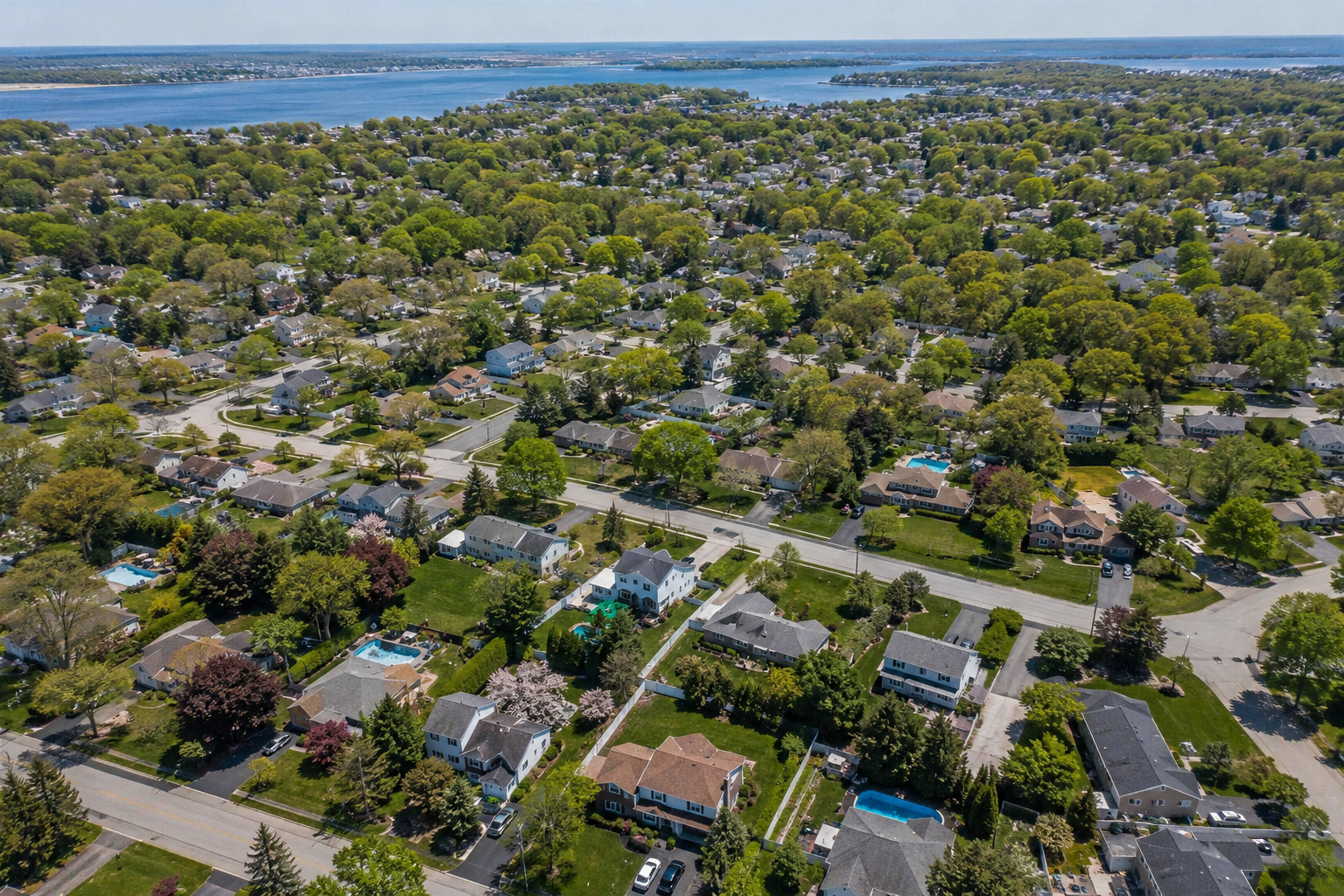
When it comes to challenging your property tax assessment, local real estate knowledge can make a significant difference. While Property Tax Grievances are based on property values, not all real estate markets are the same. Nassau and Suffolk Counties each have unique neighborhoods, housing styles, school districts, and market trends that can affect a property’s value.
Understanding these local factors is essential when determining whether a property’s assessment is fair.
Property Values Vary from Neighborhood to Neighborhood
Two homes may appear similar on paper but have very different market values depending on where they are located.
Factors that can influence property values include:
- School district boundaries
- Proximity to transportation
- Waterfront or water-view locations
- Property size and lot dimensions
- Neighborhood desirability
- Local market demand
- Recent sales activity
A home in one part of Nassau or Suffolk County may command a significantly higher price than a similar home located just a few miles away.
Comparable Sales Must Be Truly Comparable
One of the most important aspects of evaluating a property’s assessment is reviewing comparable sales.
Comparable properties should be similar in terms of:
- Location
- Size
- Age
- Condition
- Style
- Lot characteristics
Using inappropriate comparable properties can create an inaccurate assessment of a home’s value. Local market knowledge helps identify the sales that most accurately reflect what buyers are willing to pay in a particular neighborhood.
Nassau and Suffolk County Markets Are Unique
The real estate market on Long Island is made up of hundreds of distinct communities, each with its own characteristics.
For example:
- A colonial home in Garden City may be valued differently than a similar home in Levittown.
- Waterfront properties on the South Shore often have different market influences than inland properties.
- School district differences can significantly impact home values even within the same town.
Because of these variations, understanding local market conditions is critical when evaluating a property’s assessment.
Why Local Expertise Matters
Property tax assessments are intended to reflect a property’s value relative to similar properties and market conditions. Determining whether an assessment is fair requires more than simply looking at numbers.
It requires an understanding of:
- Local real estate trends
- Neighborhood market conditions
- Comparable property sales
- Assessment practices
- Factors that influence buyer demand
Professionals with local market knowledge are often better equipped to identify assessment discrepancies and determine whether a property may be over-assessed.
Local Knowledge Makes the Difference
Property tax grievances are based on property values, and property values are driven by local market conditions. That’s why local real estate knowledge plays an important role in determining whether an assessment is fair.
In Nassau and Suffolk Counties, where market conditions can vary significantly from one neighborhood to another, understanding the local real estate market is essential when evaluating a property’s assessment.
If you believe your property may be over-assessed, reviewing your assessment in the context of local market conditions may help determine whether a Property Tax Grievance is worth pursuing.
Have Questions? If you have questions about your property’s assessment or the Property Tax Grievance process, contact ZapMyTax today. Our team can review your property and help you understand your options. Contact ZapMyTax today (516) 889 5500 or via email clientservices@zapmytax.com
Interested in learning more? Check out our other blog posts for helpful tips and expert advice. Other Posts

Leave a Reply